20/10/2026 03:00
Which Jug Fits? A TikTok Playlist Workflow for Cambodian Blender-Parts Shops
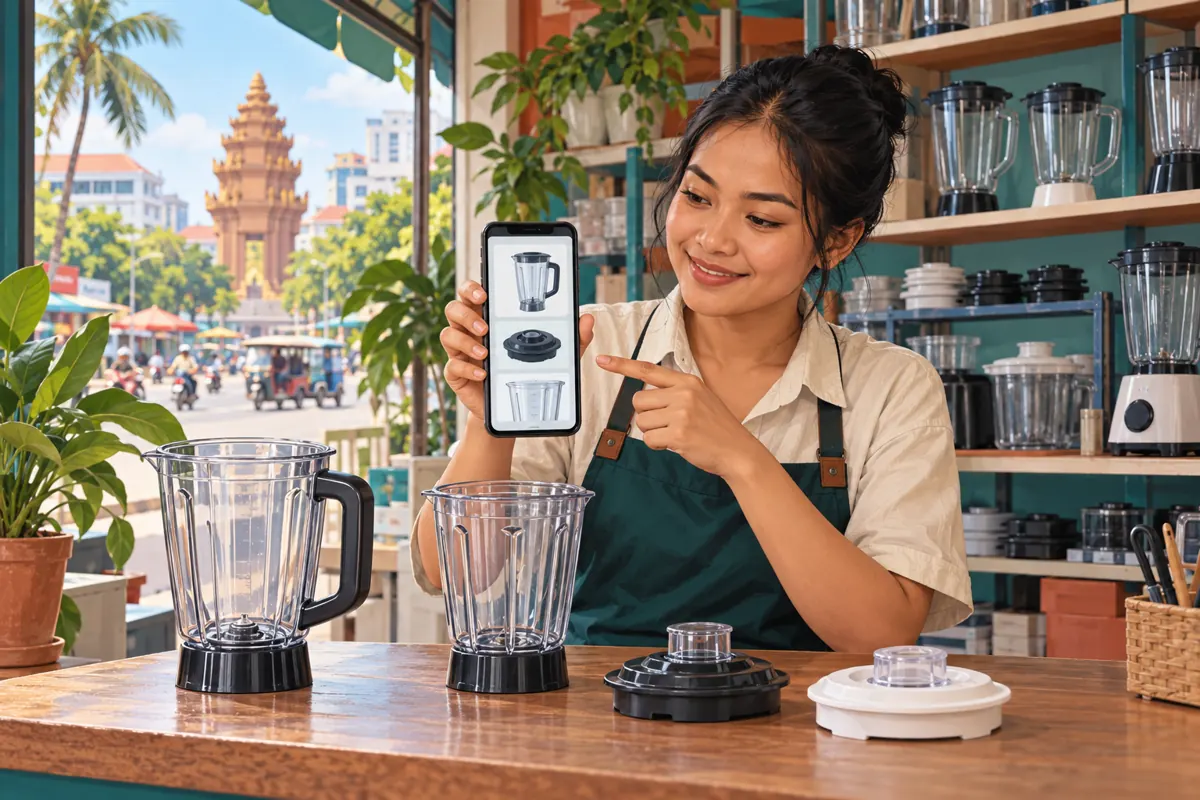
A shopper recognizes a blender jug in your TikTok video but cannot find the demonstration showing its underside. Another sends a screenshot of a lid without identifying the appliance. For a Cambodian parts shop, these are practical navigation problems: useful videos exist, but customers struggle to connect them. A carefully planned playlist can give related demonstrations a clear home when the feature is available. This workflow explains how to group videos around compatibility questions, test the browsing experience and decide what belongs in a promotion brief. It also explains why an SMM panel follower service cannot establish whether a part fits or whether viewers are prospective Cambodian customers.
Start with the question shoppers cannot resolve
Imagine a hypothetical Phnom Penh shop selling replacement blender jugs, lids and sealing rings. Its account contains product arrivals, demonstrations and shop updates. Staff repeatedly receive the question, “Is this the same jug as mine?” The useful editorial task is to help someone identify the relevant comparison video before requesting confirmation.
Choose one recurring uncertainty for the first collection. “Replacement jug identification” is more useful than “Our products” because it tells viewers what they can learn. Review recent enquiries without copying names, telephone numbers or private messages into your planning document. Record the missing information instead: appliance model, connector appearance, lid shape or whether the customer needs a complete assembly. Those gaps should determine which demonstrations you prepare.
Check availability before promising a playlist
TikTok describes creator playlists as a way to group public videos for related viewing and notes that the feature is not available everywhere. Check the shop’s actual account before printing instructions or telling customers to open a playlist. Do not assume another Cambodian business’s access proves yours has it. See TikTok’s [Watch videos in a playlist guidance](https://support.tiktok.com/en/using-tiktok/exploring-videos/watch-videos-in-a-playlist).
Inspect the playlist options available in the current app and consult TikTok’s linked help instructions for setup. If you can create a collection, begin with a small approved group and inspect the result before announcing it. If the controls are absent, keep working on the videos themselves. Consistent opening phrases, recognizable covers and direct links sent in response to relevant enquiries provide a workable fallback. Avoid promising that buying followers will unlock the feature.
Choose categories customers can distinguish
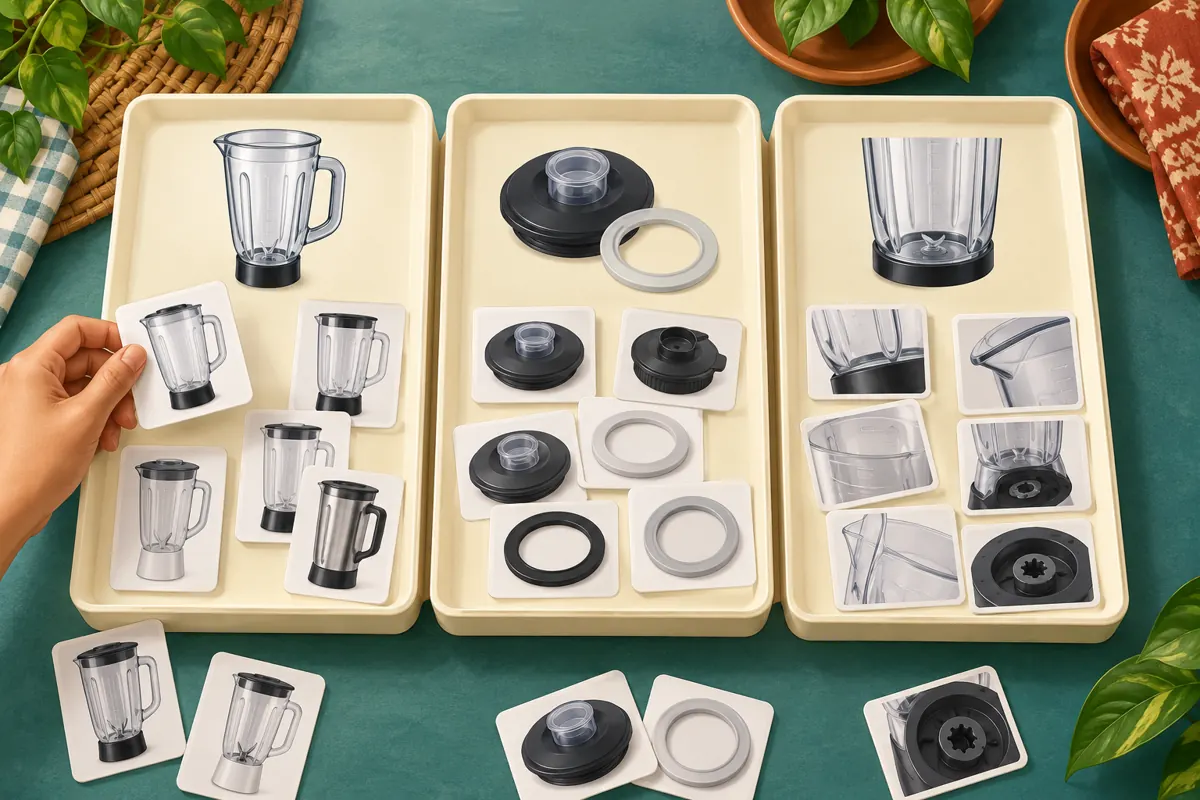
Plan categories on paper before arranging the account. For the hypothetical shop, three possible groups are replacement jugs, lids and seals, and identification guidance. These represent different questions. A customer replacing a cracked jug should not have to browse unrelated motor demonstrations to find its connector. However, a small library may need only one focused collection initially.
Give every candidate video a primary purpose. A clip comparing two jug undersides belongs with jug identification even if a lid appears briefly. Avoid organizing around filming dates, supplier nicknames or internal shelf codes that customers do not understand. Ask a colleague to explain each proposed category without seeing its contents. If two names produce the same explanation, combine them or rewrite their boundaries. The aim is a choice viewers can make confidently.
Build a useful sequence without relying on sequence
Draft a viewing order that follows the customer’s decision: identify the appliance, inspect the relevant external differences, then prepare an enquiry. Use that order wherever the account’s available controls allow it. Start with orientation rather than the most visually dramatic demonstration. A beautiful close-up is less useful if viewers cannot tell which component they are examining.
Each video must also make sense independently. Someone may encounter a comparison without seeing your introduction. State the part being shown, explain the scope of the demonstration and identify what remains unconfirmed. Replace “This one fits too” with a precise explanation naming the actual documented model or part reference. Never infer compatibility from similar appearance alone. Your collection should help people ask better questions, while the shop still verifies the proposed replacement before sale.
Prepare demonstrations that reveal the relevant difference
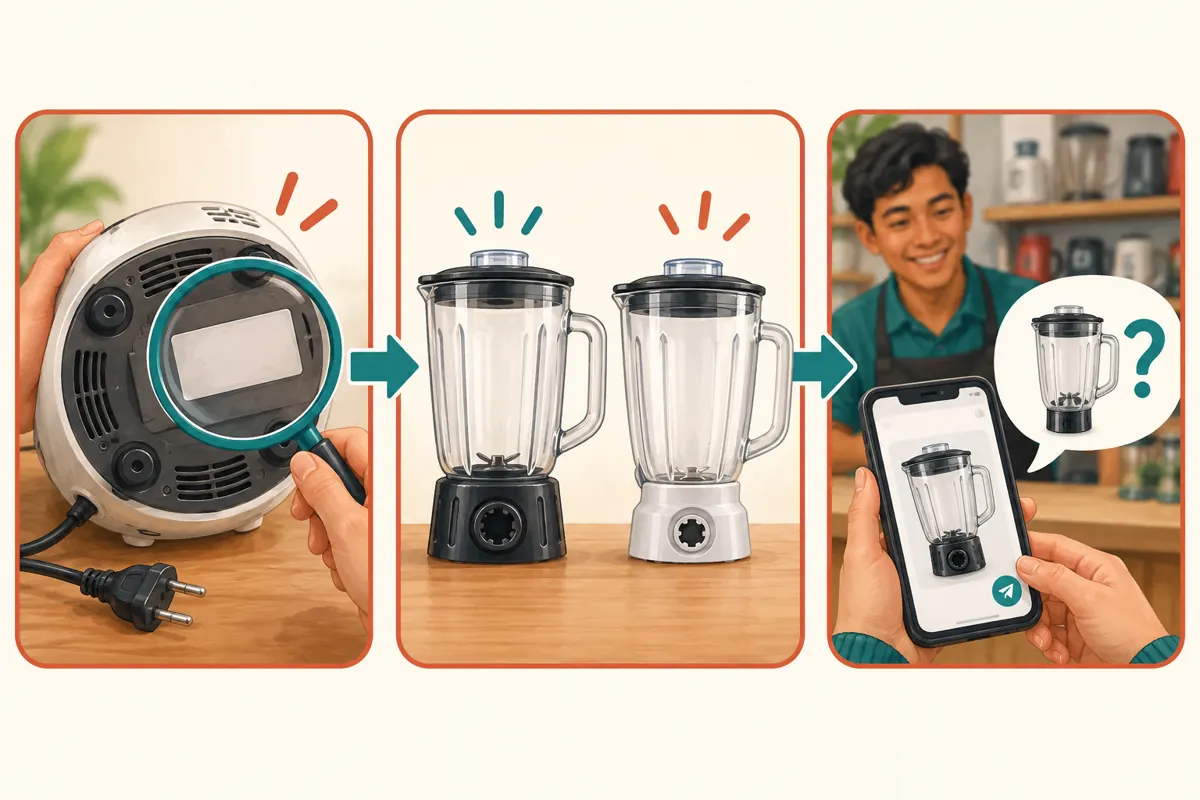
Film the detail that distinguishes the parts, rather than repeatedly showing their packaging. For a jug comparison, that might mean a stable view of the outside base, handle position and lid opening. Use a plain background and consistent camera distance so perspective does not make one item look misleadingly larger. Show reference markings clearly when you have permission to display them.
Keep appliances unplugged for external identification footage. Avoid turning a shopping guide into an improvised repair tutorial. Where measurements matter, explain what is being measured and use the appropriate unit; do not suggest that one measurement establishes compatibility. Distinguish the complete jug assembly from accessories sold separately. If a seal or lid appears only to explain the example, say whether it is included in the item being discussed. That clarification belongs in the demonstration itself.
Use language that matches the enquiry
For customers who primarily enquire in Khmer, prepare the spoken explanation and essential on-screen cues in natural Khmer. Retain genuine model references exactly as printed, even when they use Latin characters. This is an editorial choice for the shop’s content, not a reason to change its account language settings or the language of its website.
Have a fluent reviewer check technical meaning, especially words distinguishing a lid, seal, jug and complete assembly. Avoid placing a long bilingual paragraph over the part you want people to inspect. A short label and a clear spoken explanation may work better. In the planning sheet, keep an English gloss if staff need it, but judge the published video through the customer’s language. A recognizable model reference is useful; an unexplained supplier abbreviation usually is not.
Run a browsing test before sending more visitors
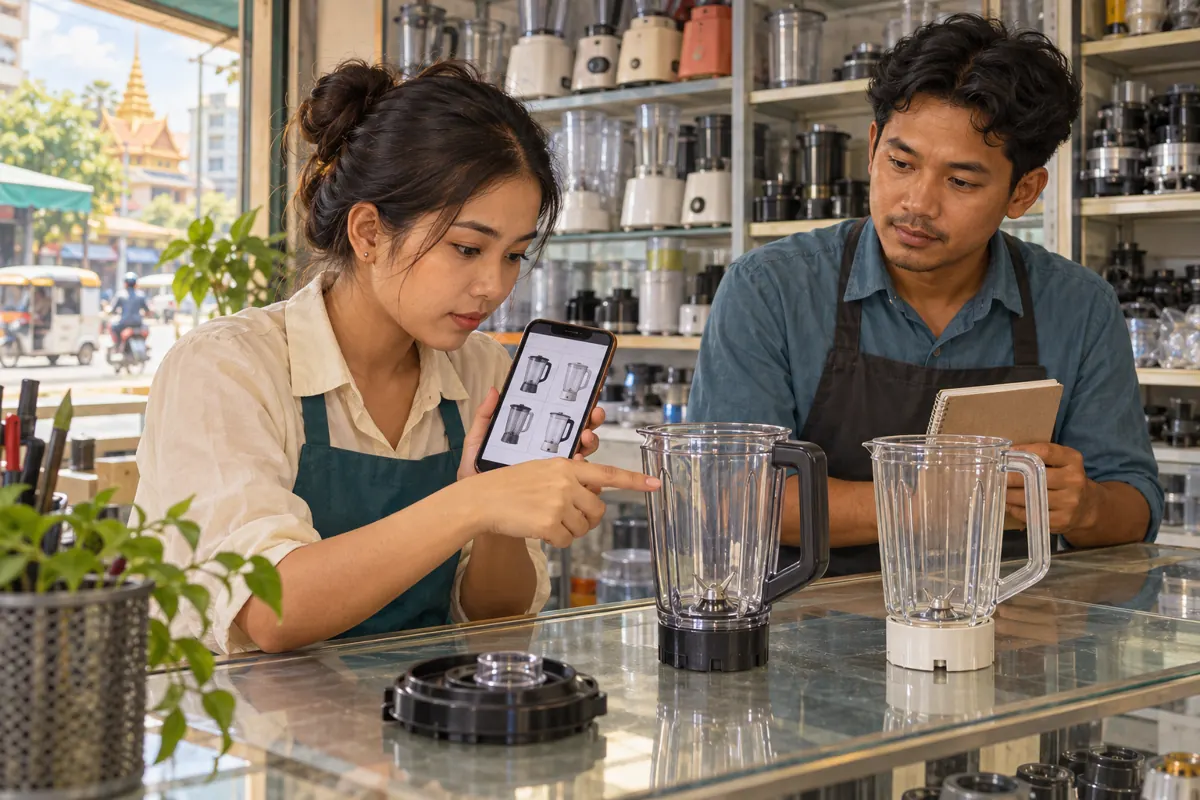
Ask a colleague who did not organize the collection to play a hypothetical shopper. Give them a concrete task: “Find the video that explains what to photograph before asking about a replacement jug.” Let them start from the shop profile on an ordinary phone. Watch without pointing to the answer. Record where the category name, cover or opening explanation causes hesitation.
Next, ask them what they believe the video promises. If they think the shop has confirmed compatibility or current stock merely because the item appears, revise the wording. Check that the selected videos are actually accessible to the intended audience and that the route described in your promotional copy matches what the tester sees. Successful navigation means finding and understanding the relevant guidance. It does not require the tester to follow, like or leave a flattering comment.
Connect the demonstration to a useful enquiry
End the identification guide with a manageable request. For example, ask the shopper to provide the appliance model and clear photographs of the existing part through the shop’s established contact route. Explain which external views staff need. Do not ask customers to dismantle an appliance just to answer a sales question, and do not request unrelated personal information in public comments.
In a hypothetical enquiry, a customer in Battambang sends the model reference and two requested photographs after viewing the collection. Staff can now check the information against their actual stock records. They still need to confirm compatibility, availability, included components and delivery arrangements separately. The playlist has improved the starting information; it has not completed the transaction. Keep that distinction visible in both the videos and the staff response.
Decide whether an SMM service addresses this problem
The supplied catalogue includes “TikTok - Followers ~ 𝐇𝐐 Profiles ~ Max 1M ~ 10k-20k/day ~ Instant ~ 𝐍𝐎 𝗥𝗘𝗙𝗜𝗟𝗟”. Its title identifies a follower service, but no supporting description was supplied. Treat its quality, volume and timing wording as catalogue claims, not verified delivery facts. Nothing in the supplied information establishes playlist setup, compatibility assistance or access to Cambodian buyers.
For this workflow, a follower purchase does not solve the identified problem. TikTok prohibits services that artificially boost engagement or manipulate its recommendation system. Review that restriction before considering a panel request. Purchased engagement is not evidence of genuine interest, sales, ad delivery or Cambodian users. See TikTok’s [Community Guidelines](https://www.tiktok.com/community-guidelines).
An SMM review can therefore end with a documented decision not to order. Put the unresolved issue in the brief: confusing categories, missing comparison footage or unclear enquiry instructions. Allocate the next task to that issue. Do not convert a navigation project into an arbitrary follower target.
Maintain the collection as stock and knowledge change
Assign one staff member to review the collection after relevant stock changes or corrected compatibility information. Keep a simple record of the video, demonstrated item, confirmed scope and next review trigger. A demonstration may remain useful after a particular item sells out, but any availability message attached to it must remain accurate.
When a video contains an incorrect fit claim, address the underlying content promptly; merely changing its category leaves the misleading statement intact. When a temporary offer expires, remove that offer from the active promotional route. Keep evergreen identification guidance separate from short-lived selling messages in your editorial plan. Staff should know which collection to recommend today, rather than relying on a remembered location from an earlier version of the account.
Measure clarity and avoid common mistakes
Review the kinds of questions arriving after customers use the guides. Are people supplying the requested model reference? Do they still confuse a lid with a complete assembly? Record these observations without claiming that the playlist caused every change. Staff explanations, stock availability and other promotions may also affect enquiries. Keep confirmed purchases in the sales record and panel delivery records separate from business outcomes.
Common mistakes include making every collection a miscellaneous catalogue, burying identification guidance beneath offers, assuming viewers watch in order and treating a familiar-looking connector as proof of fit. Another is adding more content when the real problem is an unclear category name. Before filming again, identify the exact point where the shopper becomes uncertain. A corrected opening sentence or a better comparison view may be the most useful next action.
Frequently asked questions
What should the shop do if TikTok playlists are unavailable?
Keep the same editorial structure in your planning sheet. Use recognizable covers and specific opening explanations, and retain direct links staff can send when someone asks a relevant question. Do not advertise a playlist customers cannot open. Recheck the account’s available features later without assuming a particular follower purchase or account change will provide access.
Should every blender model get its own collection?
Only when that division helps customers and you have enough useful material to justify it. Start with the questions people actually ask. A collection containing nearly identical clips may create more searching. Separate model groups when their differences are meaningful, clearly documented and easy for a shopper to recognize.
Can the shop describe a playlist as a compatibility guarantee?
No. A collection organizes information; it does not verify the customer’s appliance or the particular replacement being supplied. State what each demonstration establishes and what still requires checking. Staff should confirm the actual model and relevant part details before promising fit, even when the customer believes the items look identical.
Does a rise in followers prove that the collection works?
No. Follower totals do not show whether shoppers found the right demonstration or understood its limitations. Assess the actual browsing task and the completeness of relevant enquiries. Purchased engagement cannot establish genuine demand or audience location. Use confirmed sales records for sales conclusions and avoid attributing improvements to one content change without sufficient evidence.
How often should staff review the videos?
Use events as well as a routine review date. Recheck immediately when a compatibility statement is corrected, a demonstrated component changes or an offer expires. A regular review catches overlooked problems, but staff should not leave a known error visible until the next scheduled check.
Explore the current service catalogue, create an account, or ask a specific question through support tickets.
- TikTok Help Center: Watch videos in a playlist
- TikTok Help Center: Playlists
- TikTok Community Guidelines
Prepared with AI assistance. Illustrations explain the workflow and do not represent customer results.